Matchbox: The Movie is coming. John Cena is driving. And suddenly I’m having Battleship flashbacks.
I was minding my own business the other night when an ad appeared for an upcoming movie.
MATCHBOX: THE MOVIE.
Starring John Cena.
Coming October 9.
I stared at the television for a moment.
Matchbox.
As in…the cars?
The tiny metal cars?
The cars whose entire mythology, as far as I can remember, consisted of pushing one across your mother’s coffee table while making VROOOOOOOM noises until she yelled at you for scratching the furniture?
Those Matchbox cars?
Apparently so.
The official premise involves John Cena playing an undercover CIA agent who reunites with childhood friends and drags them into a globe-trotting adventure to save the world.
Naturally.
Because when I was seven years old and smashing a Matchbox Corvette into a plastic dump truck, I was definitely thinking:
“This needs geopolitical stakes.”
And look, maybe Matchbox: The Movie will be terrific. John Cena is enormously likable. Director Sam Hargrave knows how to stage action. Perhaps they’ve cracked the code.
But Hollywood has been down this toy aisle before.
Many times.
And occasionally it has stepped directly on a LEGO brick.
So in honor of Hollywood’s continuing determination to transform everything we touched as children into a $150 million intellectual property opportunity, let us revisit 10 spectacularly bad movies based on toys, board games and video games.
Not merely disappointing movies.
Movies that made you wonder whether anyone involved had ever actually played with the thing printed on the poster.
10. BRATZ (2007)
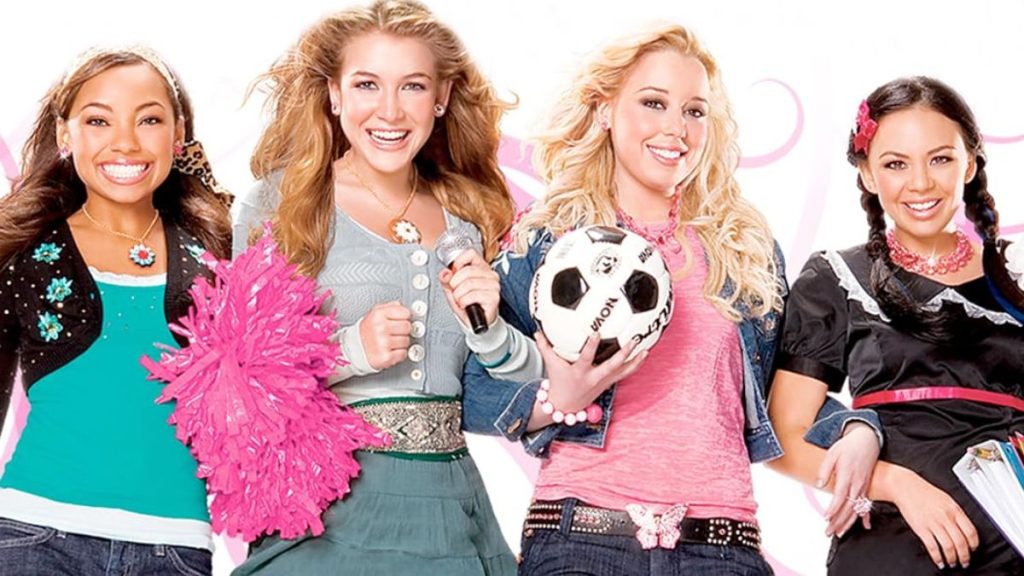
There is something almost admirable about making a movie based on fashion dolls and somehow producing something with less emotional depth than the dolls.
The Bratz movie follows four fashionable friends entering high school, getting separated into different cliques and eventually learning important lessons about friendship.
In other words, somebody bought the rights to Bratz and made Discount Mean Girls.
The actual dolls were famous for enormous heads, enormous shoes and the kind of eye makeup usually associated with someone arriving at a nightclub at 1:45 in the morning.
The movie wisely decided human beings couldn’t survive those proportions.
Unfortunately, it replaced them with nearly two hours of aggressively generic tween comedy.
Jon Voight appears in this movie.
Yes.
Jon Voight.
Academy Award winner.
Midnight Cowboy.
Deliverance.
Coming Home.
Bratz.
Every acting career is a journey.
Sometimes the journey ends in the food court at Claire’s.
9. STREET FIGHTER (1994)
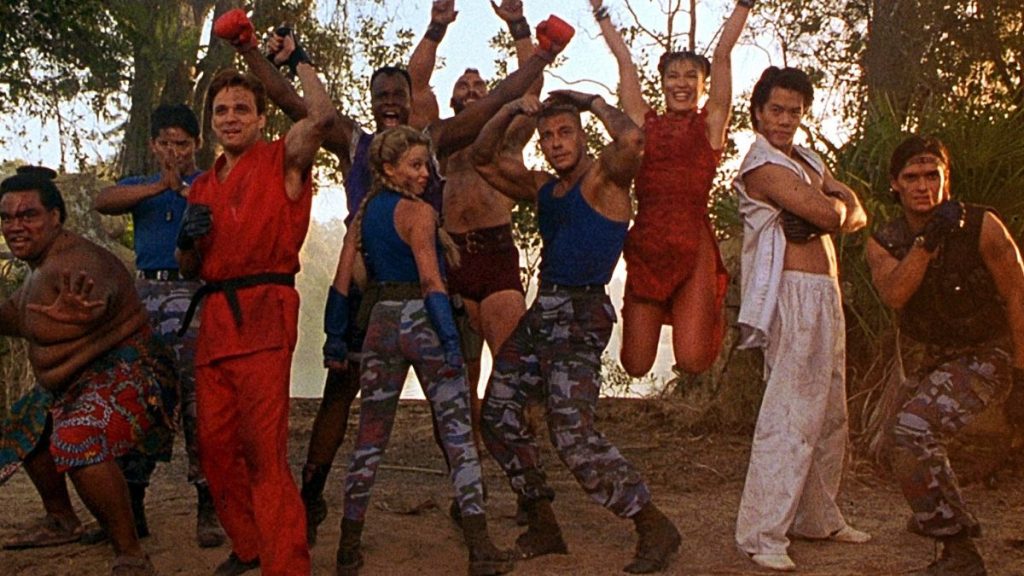
Here’s the game:
Two people stand in a street.
They fight.
Hollywood’s response:
“What if we make it an international military geopolitical hostage thriller?”
Perfect.
Jean-Claude Van Damme plays Colonel Guile, leading an international force against General M. Bison, played by the late, wonderful Raúl Juliá.
And God bless Juliá because he approaches this material like he’s doing Shakespeare at the Globe.
Everyone else appears to be making a live-action Saturday morning cartoon after drinking cough syrup.
The strangest thing about Street Fighter is that a movie based on Street Fighter contains surprisingly little satisfying street fighting.
It’s like adapting Pac-Man and spending 90 minutes watching Pac-Man file his taxes.
Still, the movie has achieved something approaching cult status because Juliá is magnificent, Van Damme is Van Damme, and the entire production possesses the unmistakable energy of a movie that knows the building is on fire but decides to finish filming anyway.
8. MASTERS OF THE UNIVERSE (1987)
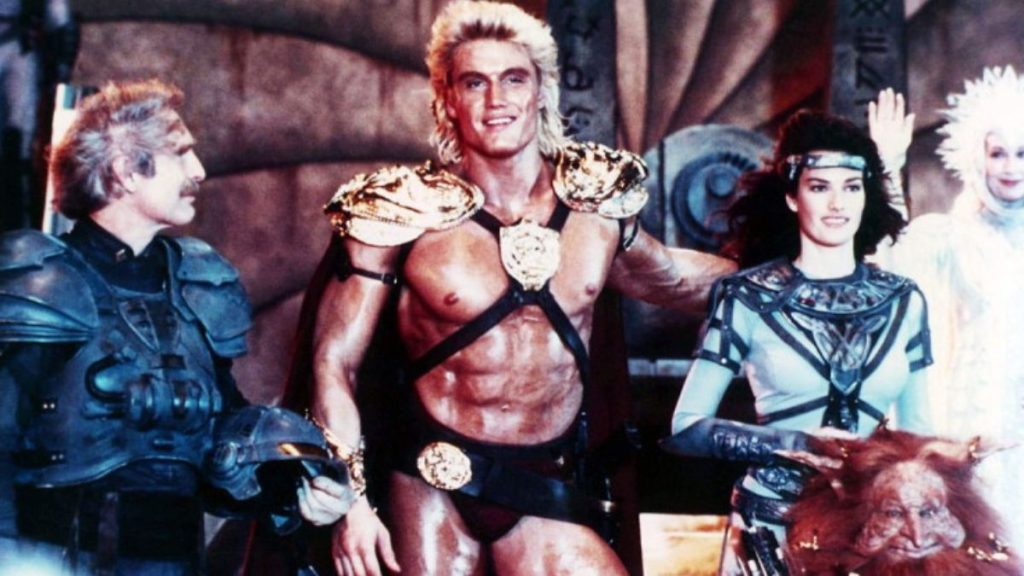
Children of the ’80s were promised Eternia. Count me in that category.
Castle Grayskull.
Skeletor.
He-Man.
An enormous fantasy universe filled with warriors, monsters and magical nonsense.
Hollywood looked at all of that and said:
“How about suburban California?”
Thus Dolph Lundgren’s He-Man spends a remarkable portion of Masters of the Universe wandering around Earth.
Imagine making The Lord of the Rings and deciding halfway through that Middle-earth is too expensive, so Gandalf and Frodo spend Act Two looking for parking at a Ralphs.
Frank Langella, meanwhile, plays Skeletor as though this is the role he was born to play.
And somehow?
It works.
Langella is terrific.
Everything surrounding him looks like someone tried to remake Star Wars using merchandise returned to Toys “R” Us.
Oh, and the 2026 version isn’t much better.
7. JEM AND THE HOLOGRAMS (2015)
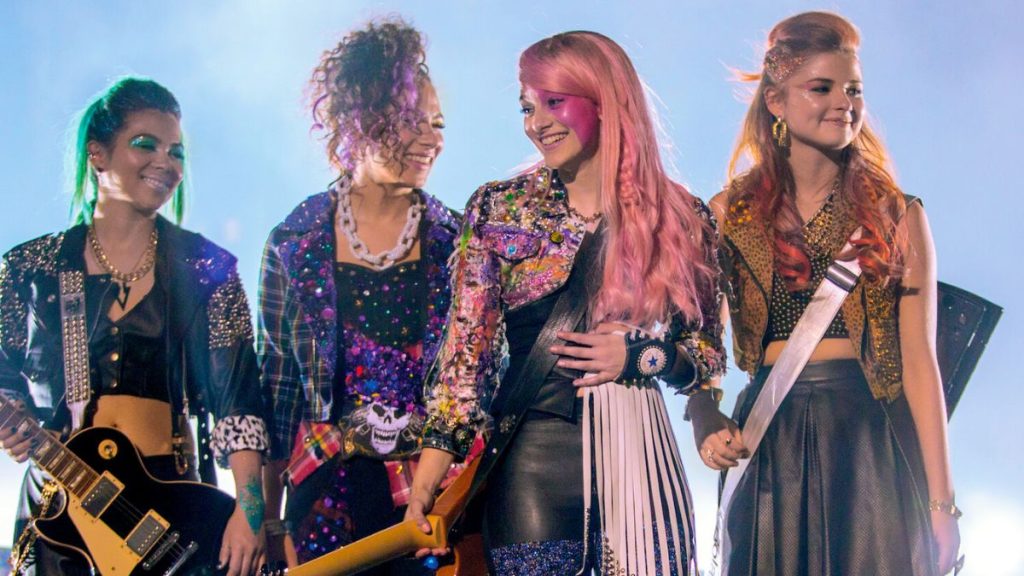
Here is a fascinating strategy for adapting an existing property:
Remove virtually everything people liked about the existing property.
The original Jem was gloriously ridiculous ’80s excess: music, fashion, secret identities, holographic technology and hair containing approximately 11 pounds of Aqua Net.
The movie turned it into a fairly standard story about a young singer becoming an internet sensation.
Which raises an important question.
Why call it Jem?
You could have called it Teen Singer Movie #47 and nobody would have noticed.
Fans certainly noticed.
This wasn’t really an adaptation.
It was identity theft.
6. PLAYMOBIL: THE MOVIE (2019)
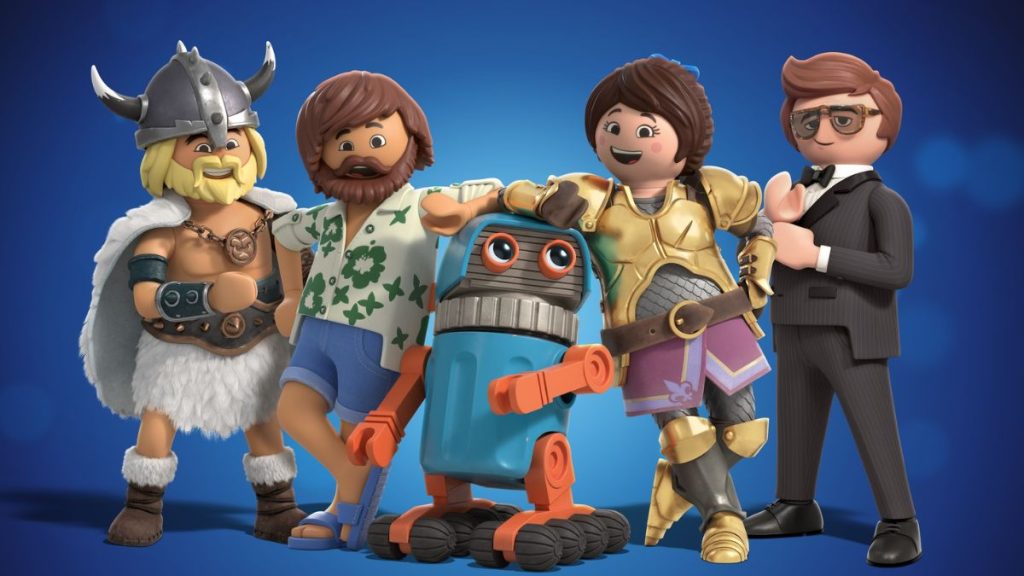
You can practically hear the studio meeting.
“People loved The LEGO Movie.”
“Yes.”
“LEGO consists of little plastic people.”
“Yes.”
“Playmobil consists of little plastic people.”
Silence.
“My God.”
And thus a cinematic universe was born.
Except it wasn’t.
The LEGO Movie succeeded because it had a clever story, great comedy and something unexpectedly thoughtful to say about childhood creativity.
Playmobil: The Movie seemed to believe the important part was:
Plastic.
It feels less like watching a movie and more like being trapped inside a toy catalog that has learned to sing.
Daniel Radcliffe voices a secret agent.
Meghan Trainor voices a fairy godmother.
Adam Lambert voices an emperor.
And somewhere a child just wants his parents to take him home.
5. SUPER MARIO BROS. (1993)
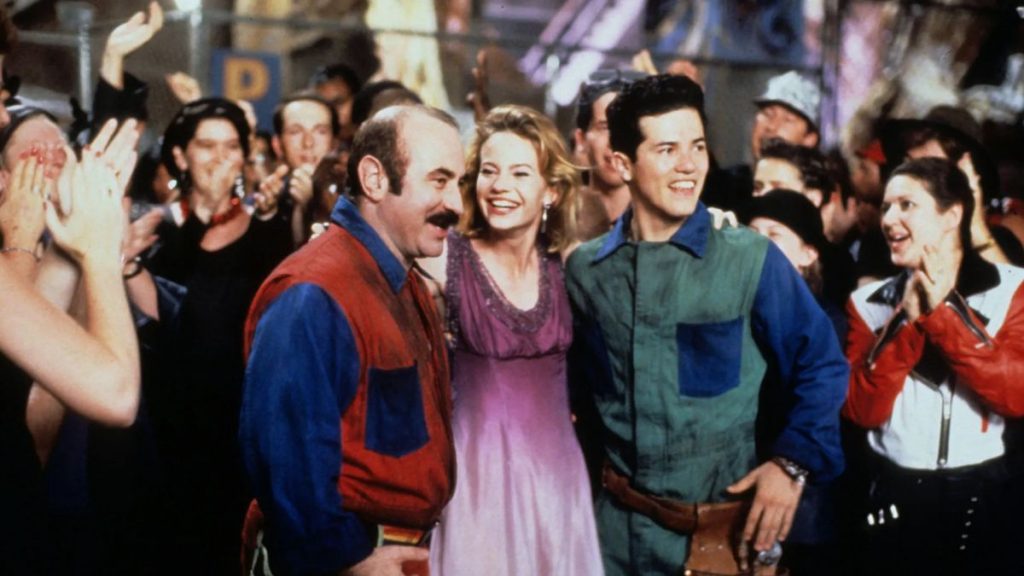
Long before Chris Pratt bravely asked America to accept him as an Italian plumber, Hollywood attempted Super Mario Bros.
The result remains one of the strangest artifacts of 1990s filmmaking.
Mario?
Bob Hoskins.
Luigi?
John Leguizamo.
King Koopa?
Dennis Hopper.
Mushroom Kingdom?
Apparently a dystopian cyberpunk dinosaur city.
Naturally.
The Nintendo game is bright, colorful and cheerful.
The movie looks like someone poured Blade Runner into a sewer and then released reptiles into it.
Watching it today is almost fascinating because virtually every creative decision seems to have been made by somebody asking:
“What would Nintendo absolutely never do?”
To Hollywood’s credit, decades later we eventually got an animated Mario movie that actually resembled Mario.
It turns out audiences who love a property sometimes enjoy seeing the property.
Revolutionary concept.
4. MORTAL KOMBAT: ANNIHILATION (1997)
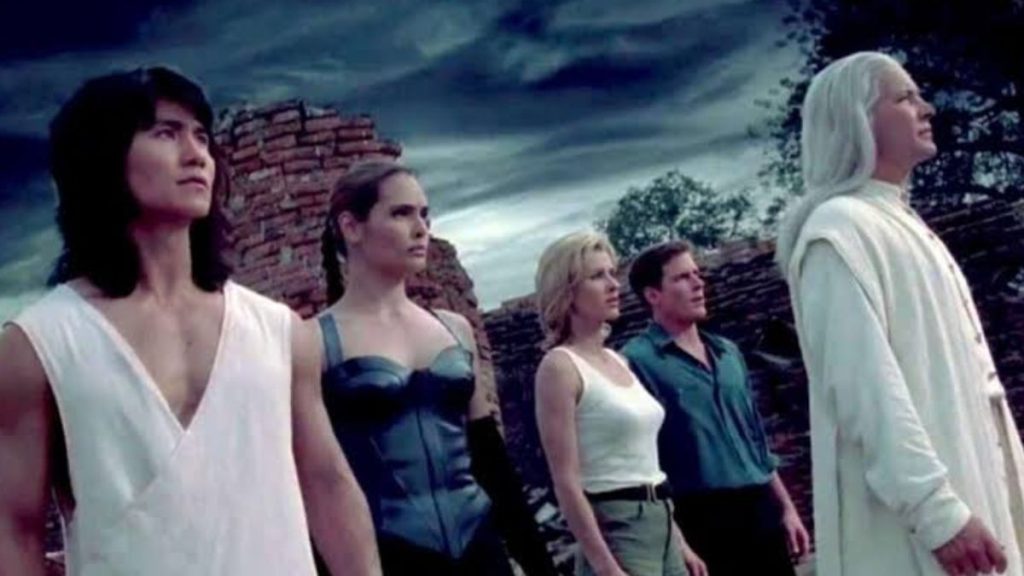
The first Mortal Kombat movie wasn’t exactly Citizen Kane, but it understood the assignment.
People fight.
Music goes:
MORTAL KOMBAAAAAAT!
Everyone goes home happy.
Then came Annihilation.
The sequel has the visual sophistication of a regional furniture-store commercial combined with dialogue apparently translated from English into another language and then back into English.
Characters appear.
Characters disappear.
People flip through the air.
Portals open.
Things explode.
Someone announces another piece of mythology.
More flipping.
At one point you begin wondering whether you’re still watching the movie or whether somebody accidentally switched the television to a Power Rangers marathon.
Critics were not kind. Its Rotten Tomatoes score sits in the single digits.
Which somehow feels generous.
3. HOUSE OF THE DEAD (2003)
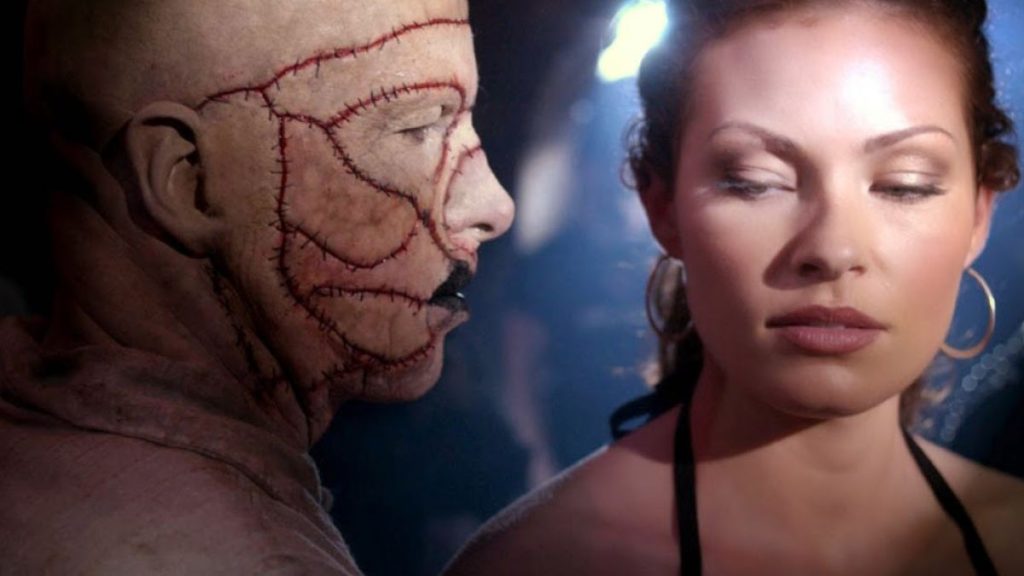
Director Uwe Boll deserves recognition for accomplishing something extraordinary.
He made a zombie movie based on a zombie shooting game…
and apparently decided the audience might forget it was based on a video game.
So he occasionally inserts actual footage from the game into the movie.
Imagine watching The Godfather and every few minutes Francis Ford Coppola cuts to footage from The Godfather PlayStation 2 game.
“Just reminding everybody what we’re adapting!”
The story involves young people traveling to an island for a rave.
There are zombies.
There are guns.
There is slow motion.
There are rotating Matrix-style shots.
There are approximately 900 editing decisions that should have resulted in someone gently taking the computer away from the editor.
Rotten Tomatoes currently has it at roughly 3 percent.
Three.
Meaning tomatoes themselves have essentially filed a restraining order.
2. BATTLESHIP (2012)
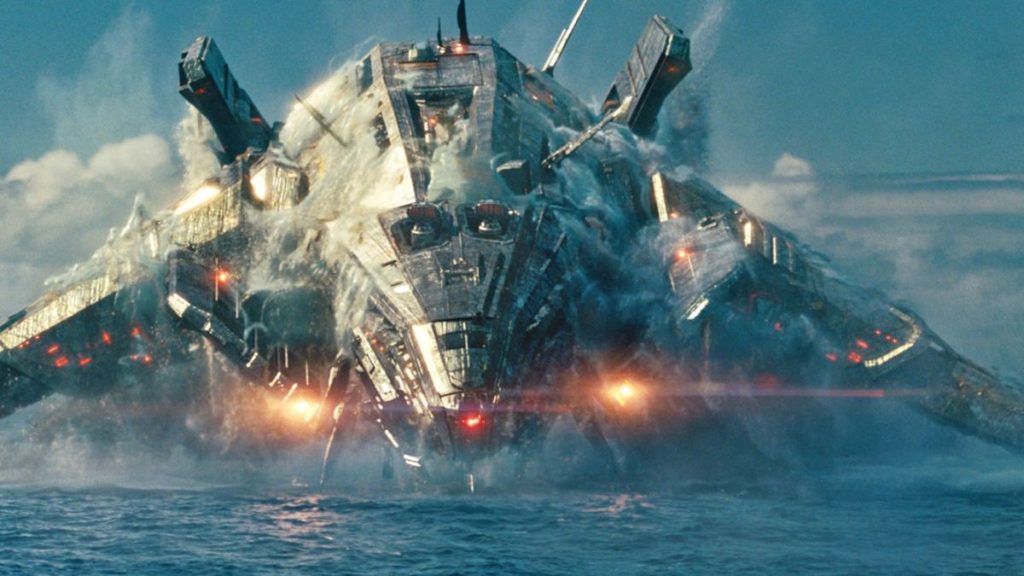
Ah yes.
An old friend.
Readers of my book Crash of the Titans already know my affection for this glorious monument to Hollywood hubris.
Someone looked at the board game Battleship and said:
“Movie.”
Another person presumably asked:
“What’s the story?”
And the answer was:
“Ships.”
“Okay. Characters?”
“Ships.”
“Villain?”
“Aliens.”
“Aliens?”
“ALIENS.”
And somehow $200+ million later, Liam Neeson was involved.
Battleship cost roughly $209 million by Box Office Mojo’s accounting and grossed about $303 million worldwide—which sounds impressive until you remember theaters keep part of the ticket revenue and studios also spend fortunes marketing movies.
The domestic gross?
About $65 million.
That sound you hear is a studio accountant whispering:
“You sunk my quarterly earnings.”
And here’s the thing.
Battleship isn’t even boring.
It’s too magnificently ridiculous to be boring.
At one point the filmmakers actually engineer a sequence resembling the grid-based board game.
You can almost hear Hasbro’s lawyers screaming:
“PUT THE PEGS IN THERE SOMEWHERE!”
This is exactly why Battleship belongs in Crash of the Titans.
It’s not merely a flop.
It’s the kind of movie that makes you fascinated by the decision-making process that allowed it to exist.
Which brings us to…
1. THE ENTIRE IDEA THAT EVERYTHING NEEDS TO BECOME A MOVIE
I’m cheating.
Sue me.
Because Matchbox made me realize the real villain isn’t any individual movie.
It’s the Hollywood belief that brand recognition equals story.
Barbie worked?
Fantastic.
Now open the toy chest.
Matchbox!
Hot Wheels!
UNO!
Magic 8 Ball!
View-Master!
Rock ‘Em Sock ‘Em Robots!
I’m barely joking.
At this rate we’re approximately four studio meetings away from:
SILLY PUTTY: ORIGINS
Starring Chris Hemsworth as a former Navy SEAL who discovers the mysterious substance can copy classified newspaper documents.
OPERATION
A disgraced surgeon has twelve hours to remove a tiny plastic butterfly before the buzzer sounds.
Jason Statham stars.
HUNGRY HUNGRY HIPPOS
Four genetically engineered hippopotamuses.
One city.
No survivors.
ETCH A SKETCH
Jake Gyllenhaal wakes up and discovers everything he draws becomes real.
But if someone shakes the universe…
everything disappears.
Actually…
Wait.
I’d watch that.
Dammit.
Now I’m part of the problem.
AND NOW…MATCHBOX
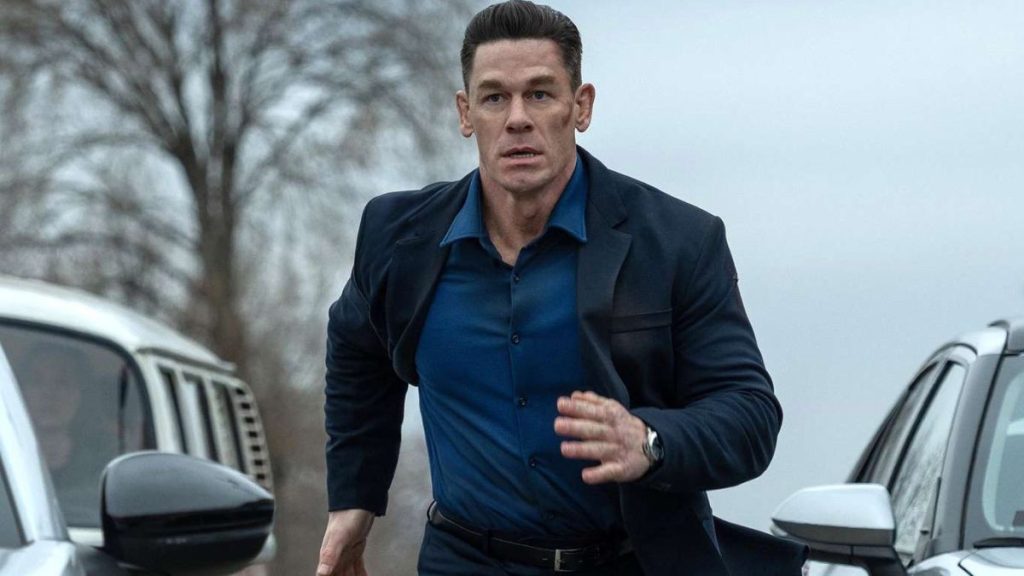
To be fair, Matchbox: The Movie hasn’t earned a place on this list.
Yet.
It could be great.
John Cena is funny. Sam Hargrave directed the Extraction films and certainly knows his way around vehicular mayhem. The supporting cast includes Jessica Biel, Sam Richardson, Teyonah Parris, Arturo Castro, Danai Gurira and Corey Stoll.
There are actual talented people involved here.
But I remain fascinated by the starting point.
Matchbox cars don’t have characters.
They don’t have mythology.
They don’t have a story.
They’re cars.
Which means the screenwriter essentially received a box containing a tiny vehicle and a note saying:
“Good luck. We need 126 minutes.”
And perhaps that’s the secret.
Maybe having almost no mythology gives filmmakers freedom.
Nobody is going to leave the movie furious because John Cena failed to honor the complicated emotional history of the 1978 Matchbox No. 22 Blaze Buster fire engine.
At least I hope not.
There is probably a subreddit.
HOLLYWOOD WILL NEVER STOP PLAYING
The funny thing is, toy and game movies aren’t inherently bad.
Barbie proved you can take a toy and build something ambitious around it.
The LEGO Movie turned plastic bricks into a genuinely clever movie.
Recent video-game adaptations have demonstrated another shocking discovery:
If filmmakers respect the thing people already love, audiences might enjoy the adaptation.
The problem begins when Hollywood works backward.
Not:
“We have a great story.”
But:
“We own this logo.”
That’s how you get Battleship.
That’s how you get Playmobil.
That’s how you eventually get John Cena saving civilization because somebody once sold a 1:64-scale Pontiac at Woolworth’s.
Heck, watch The Studio on Apple TV (also releasing Matchbox) and Seth Rogen did an entire storyline revolving around Kool-Aid: The Movie, which pokes fun at the same premise of taking a well-known licensed property and shoehorning it into a movie.
So yes, on October 9, I’ll probably watch Matchbox: The Movie.
Partly because I like Cena.
Partly because I’m curious.
And partly because anyone who writes books about Hollywood disasters has a professional responsibility to keep an eye on these things.
After all, Crash of the Titans exists because Hollywood has spent decades demonstrating one undeniable truth:
Nobody can crash a $200 million toy quite like Hollywood.
Now if you’ll excuse me, I have a screenplay to pitch.
It’s called:
CONNECT FOUR: RECKONING
Four pieces.
Three governments.
Two hours and twenty-seven minutes.
One connection…that could save mankind.
Tom Cruise, call me.
— The Unknown Critic